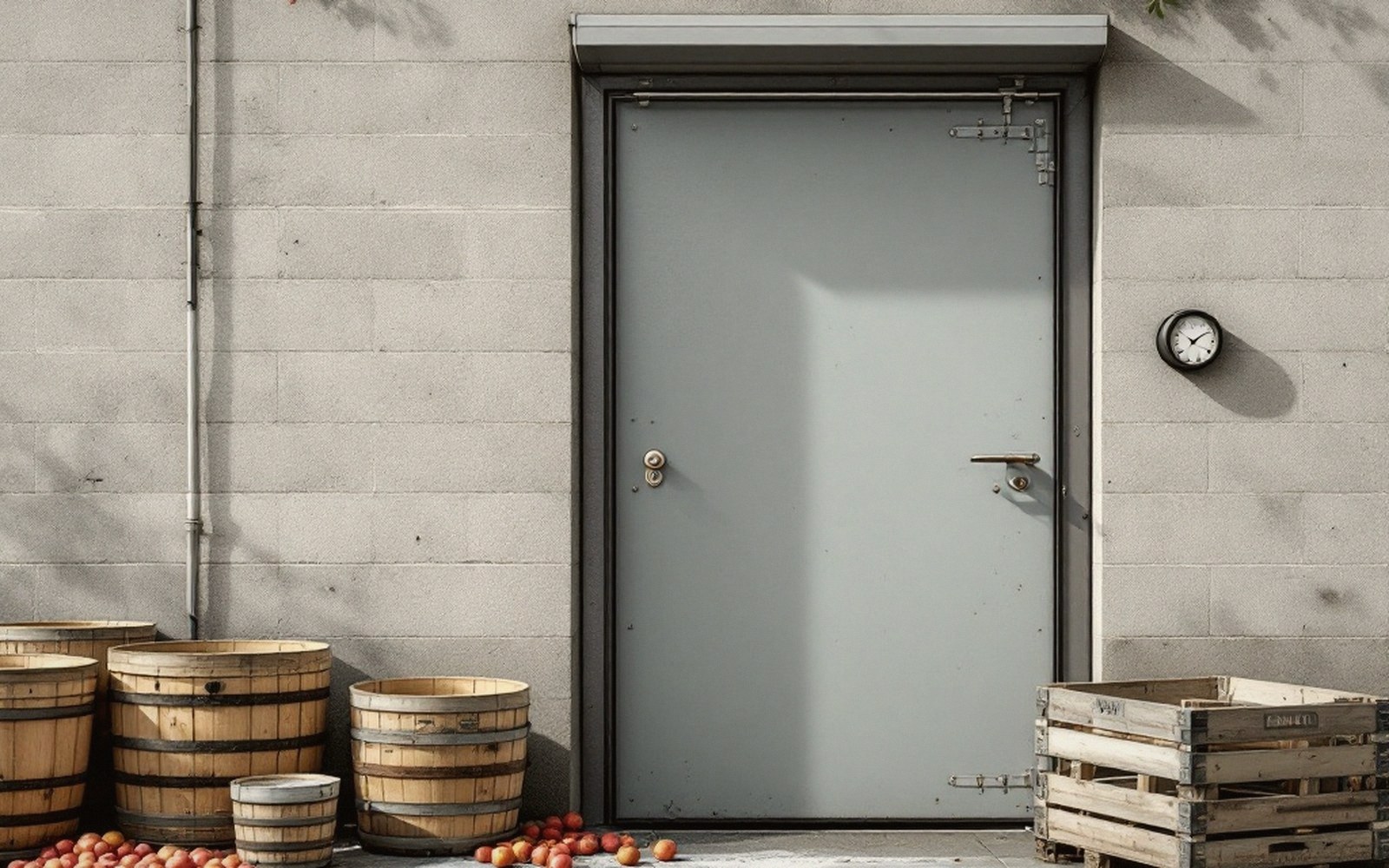
Once opened it cannot be closed again. Sequencing the year around that.
The logic of an irreversible door
A controlled-atmosphere store works by pulling oxygen down to levels that barely sustain the fruit — typically somewhere around one to three percent — and holding that atmosphere until the room is needed. The moment the sealed door opens and outside air floods in, oxygen climbs back to ambient and the biological clock restarts. You cannot re-establish the atmosphere without scrubbing the room down to target levels all over again, and by then the window that made storage valuable has already closed.
This is why the decision to pull a store is treated as a date on the calendar, not a response to a price signal. Growers and packers plan the sequence before the season begins: which variety goes into which room, which room opens first, which carries the longest-keeping fruit to the end of the window. A room of early Braeburn may be scheduled out in January; a room of Fuji or Pink Lady might hold until March or April. The schedule is set by the variety's maximum viable storage life, not by what the market does on a given Tuesday.
In practice, the sequence also absorbs the logic of what was harvested. A room filled later in the season — or filled with fruit that went in under slightly warmer conditions — is typically drawn down earlier, because its internal quality will peak and then decline faster. A room that went in clean, cool and quickly filled can be held longer. Managers track internal ethylene, flesh firmness and starch-iodine index across the season to read where each room actually is against where they expected it to be.
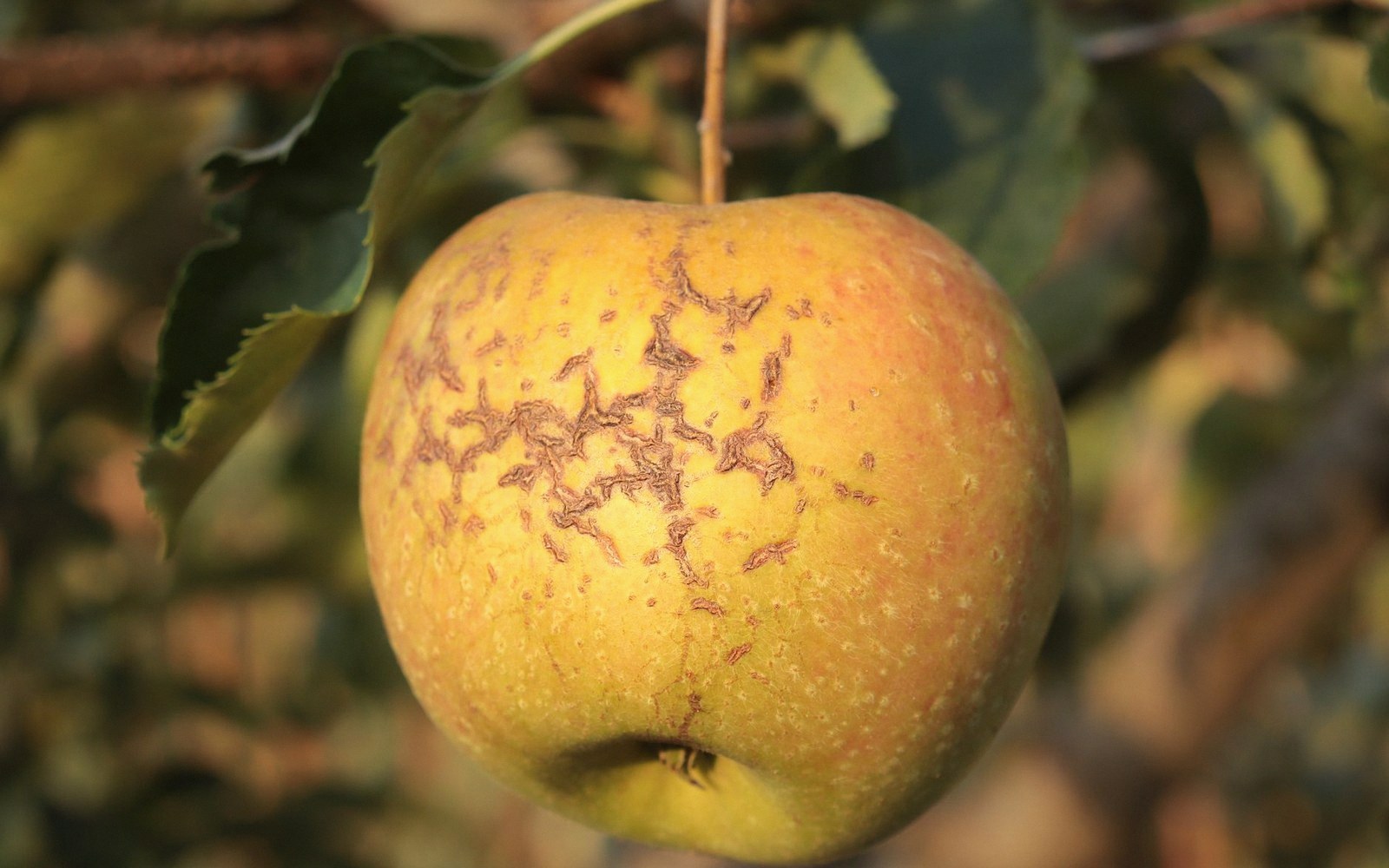
The real constraint is simply this: once a room is opened, every day it sits partially emptied is a day its remaining fruit breathes at ambient rates. Growers move a room in one continuous operation — usually days, not weeks — for exactly that reason. A partial pull degrades what is left. The discipline of controlled atmosphere extends right through to the final pallet: the whole point of slowing respiration for months is lost if the last quarter of the room sits open to the air.
- Controlled-atmosphere room
- sealed at low oxygen for months; opened once, cannot be resealed
- Harvest-to-storage window
- the interval between picking and sealing that affects how long the room can hold
- Ethylene tracking
- internal gas measurement used to judge when a room must move
- Starch-iodine index
- starch conversion test used to gauge fruit maturity and remaining storage life
- Partial pull
- opening a room and drawing it slowly; degrades remaining fruit, generally avoided
A room that went in clean, cool and quickly filled can be held longer.
Filed under Store · boydorchards.com