The few hours
Effective pollination lasts a small window at the right temperature, and the crop is set in it.
A crop decided in a morning
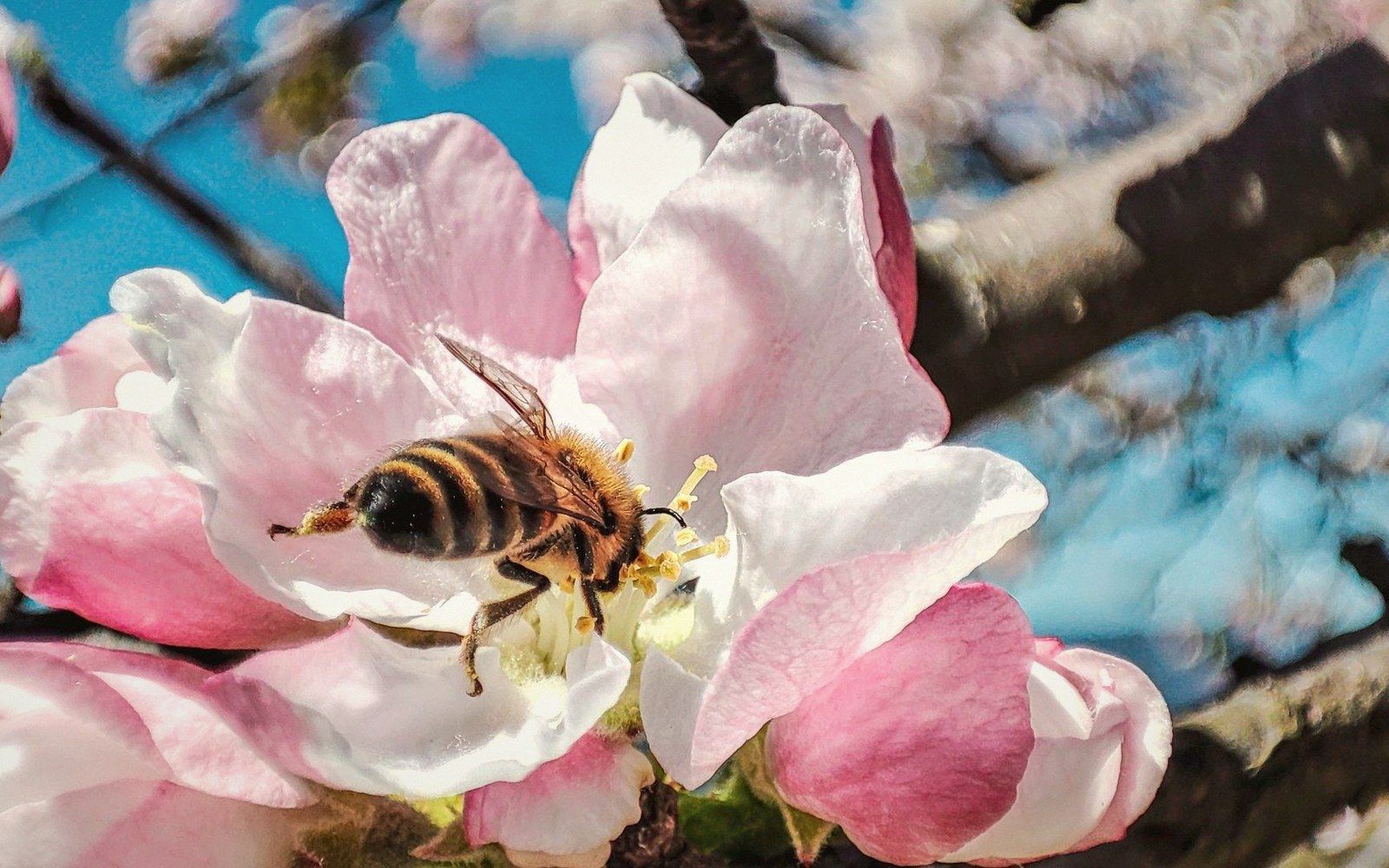
Months of dormancy, weeks of slow bud development, and then the window opens — briefly, imprecisely, without announcement. Effective pollination in apple and pear orchards happens within a narrow band of receptivity at the flower, and that band closes whether a bee has visited or not.
A fully open bloom is receptive for roughly three to five days under ideal conditions. Drop the temperature below about 10°C, run the rain hard enough to ground foraging bees, and that window contracts. A cold, wet bloom week can shrink effective pollination to a single morning. The crop is set in that morning, or it is not set at all.
Why the flower is the clock
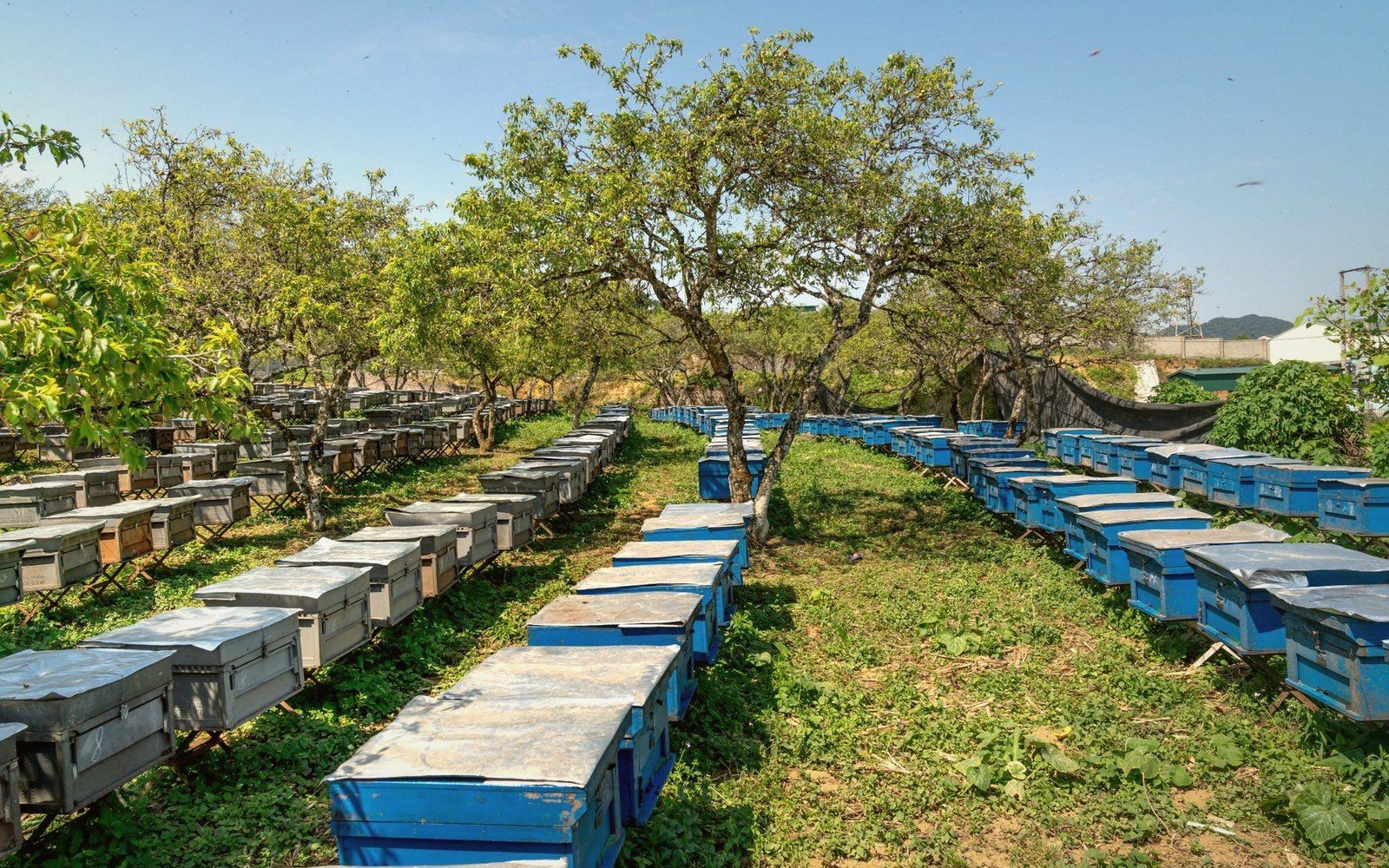
The pistil — the central female organ of the flower — is coated in a sticky stigmatic surface that captures pollen and allows it to germinate. That surface has a working life. After pollen germinates it must grow a pollen tube down through the style to reach the ovule, and fertilisation must complete before the ovule ages past viability. The whole process from stigma to fertilised ovule takes roughly twenty-four to forty-eight hours at good temperatures; at low temperatures it slows, and slow may mean too slow.
This is why temperature matters in two directions at once. Warm weather opens flowers quickly, brings bees out, and speeds pollen-tube growth. But a fast progression also means the receptive window closes faster. Cool weather extends individual flower life but reduces bee activity and slows tube growth. The optimum sits in a range roughly between 15°C and 24°C — warm enough for bees to work freely, not so warm that flowers rush through their stage.
The king bloom is the first to open in each cluster and the most reliable setter, which is why growers pay particular attention to it. Its timing sets the frame for everything that follows in that cluster.
- ~10°C
- temperature below which bee foraging drops sharply
- 15–24°C
- approximate optimum range for active pollination: bees working, pollen-tube growth adequate
- 24–48 hours
- time needed for pollen tube to reach the ovule at good temperatures
- 3–5 days
- receptive life of an apple flower under ideal conditions
What bees are actually doing
A honeybee visiting a flower is not performing a service — she is collecting. Pollen and nectar are food; pollination is the accidental result of movement between flowers. A bee will stay on the most rewarding source available, and apples are not always that. If dandelions are flowering at the orchard edge, bees will work them. If a nearby crop is in full bloom and offering more reward per visit, the hive's foragers follow the gradient.
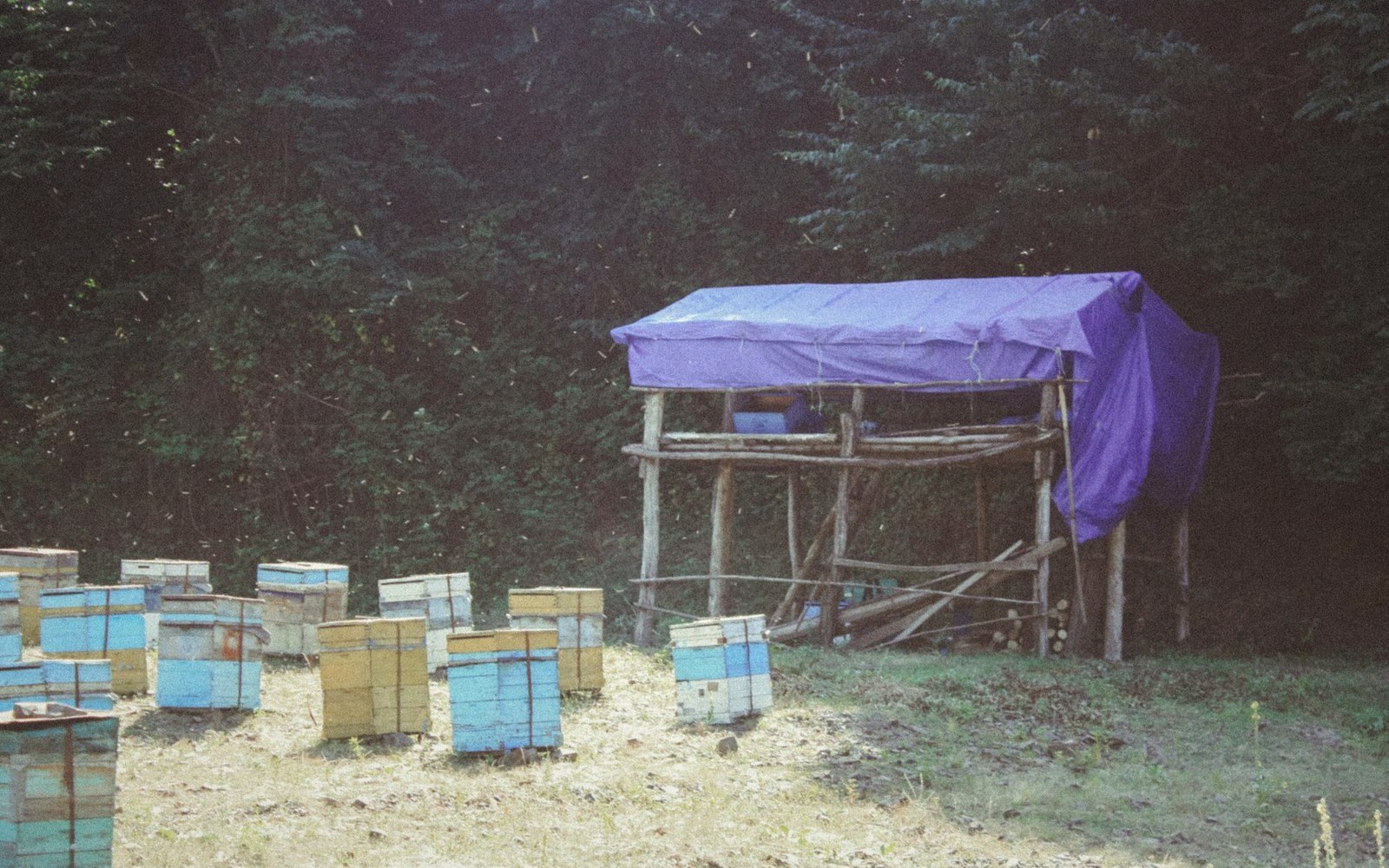
This is why hive placement matters and why the timing of delivery to the orchard is not casual. Hives positioned at the headland, close to the block they are meant to serve, shorten the bee's travel and bias her toward the target crop. More hives per hectare increases visit frequency, which matters most in the short windows. But no amount of hive density substitutes for flyable weather during the days that count.
Pollen moves on bee fur and on the wind, but wind pollination in apple is negligible. The crop depends almost entirely on insects, which means it depends on a chain — bees present, weather flyable, pollinisers in range — holding together at the same moment.
The mismatch that loses crops
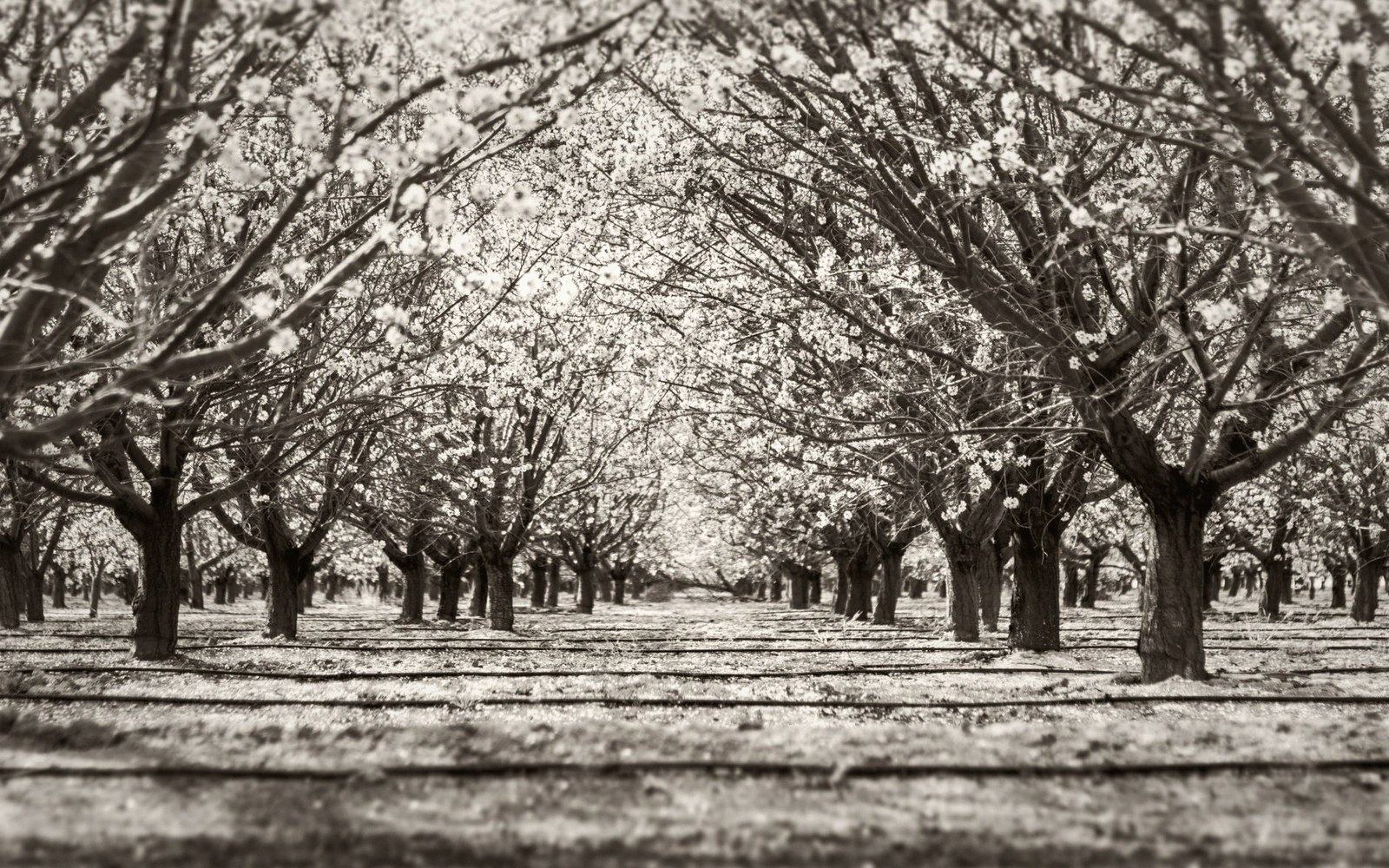
Frost at the wrong moment cuts across all of this with a different mechanism: it destroys receptive tissue outright rather than simply suspending activity. A frost event during bloom doesn't pause the process — it ends it for the flowers already open. Flowers that haven't yet opened may survive unharmed, but the timing of what opens when is beyond intervention once the season is running.
The grower's leverage is in what was built before bloom: variety selection, polliniser placement, hive management, site drainage. By the time the flowers are open, the infrastructure is either there or it isn't. The window opens on a timetable set by accumulated heat, not by readiness, and it closes on the same terms.
A crop is the result of a few hours going right. Everything else in the orchard calendar is preparation for those hours, or recovery from them.
If dandelions are flowering at the orchard edge, bees will work them.
- Controllable before bloom
- hive density, hive placement, polliniser row spacing, site selection
- Not controllable during bloom
- temperature, rainfall, frost timing, individual flower longevity
Filed under Bloom · boydorchards.com