The borrowed pollinator
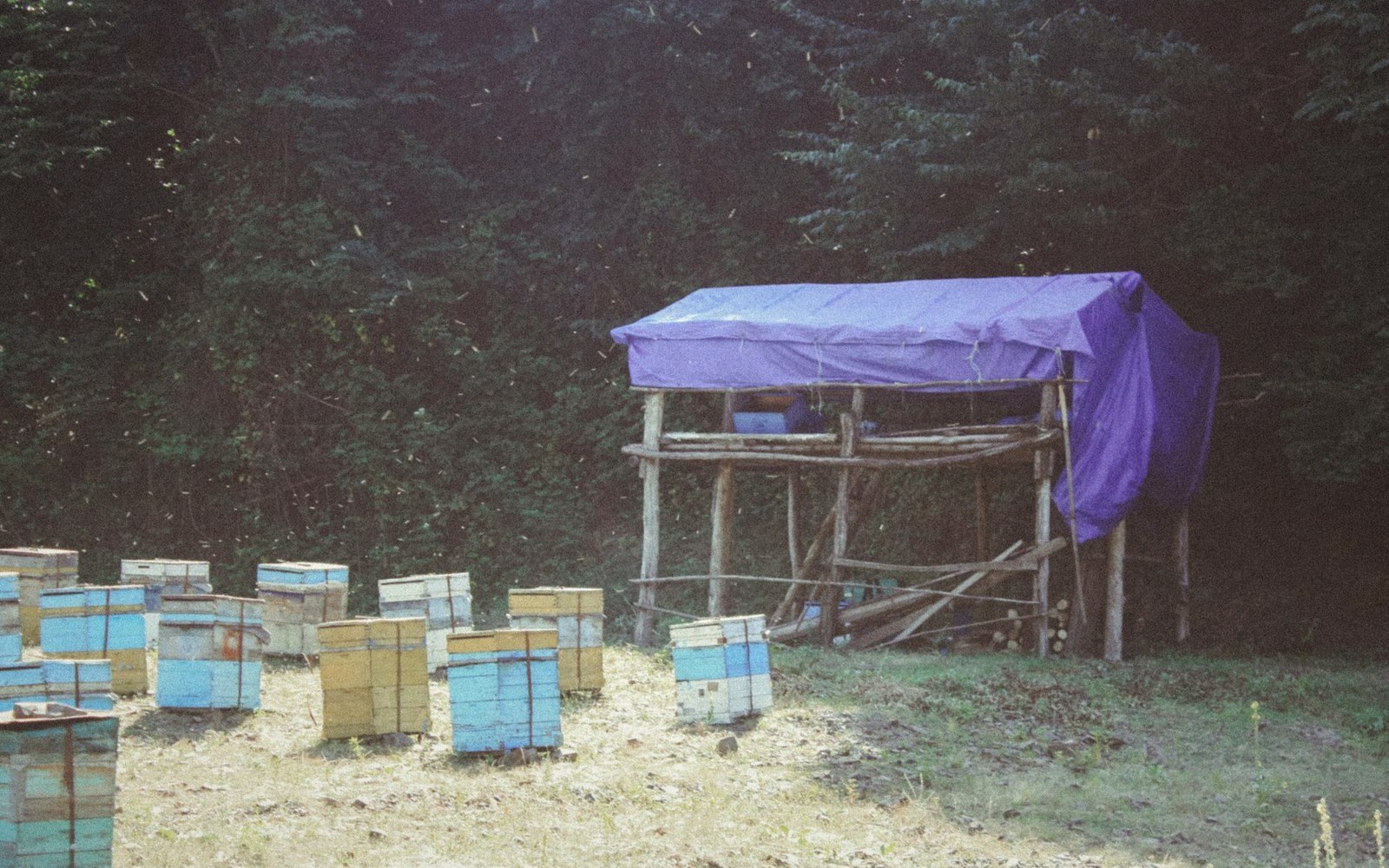
Most commercial orchards don't keep their own bees. They rent them — hives arrived by flatbed as the first flowers open, set down at the headland where the tractor turns, and collected again once petal fall is well under way. The arrangement is purely practical: bees are needed for perhaps ten days, and maintaining colonies year-round for a two-week service makes no sense at any scale.
Placement matters more than most growers expect. A hive parked at the end of a row sits closest to the first and last trees; the middle of a long block may see markedly less traffic. The standard advice is to split the total colony count between multiple entry points rather than concentrating everything on one headland. How many hives per hectare varies by crop density, but the principle is always distribution over concentration.
Bees forage surprisingly close to home when the bloom is dense. Under good conditions — warm, still, sunny mornings above roughly 12 °C — they work within a few hundred metres of the hive rather than ranging the kilometre or more they are capable of. That is useful in a tight planting, because it means colonies placed inside the block, not just at its edge, serve the interior rows more reliably. Cold or windy weather suppresses flight entirely, which is why the few hours of usable temperature within a day matter so much: the bees and the open flowers have to coincide.
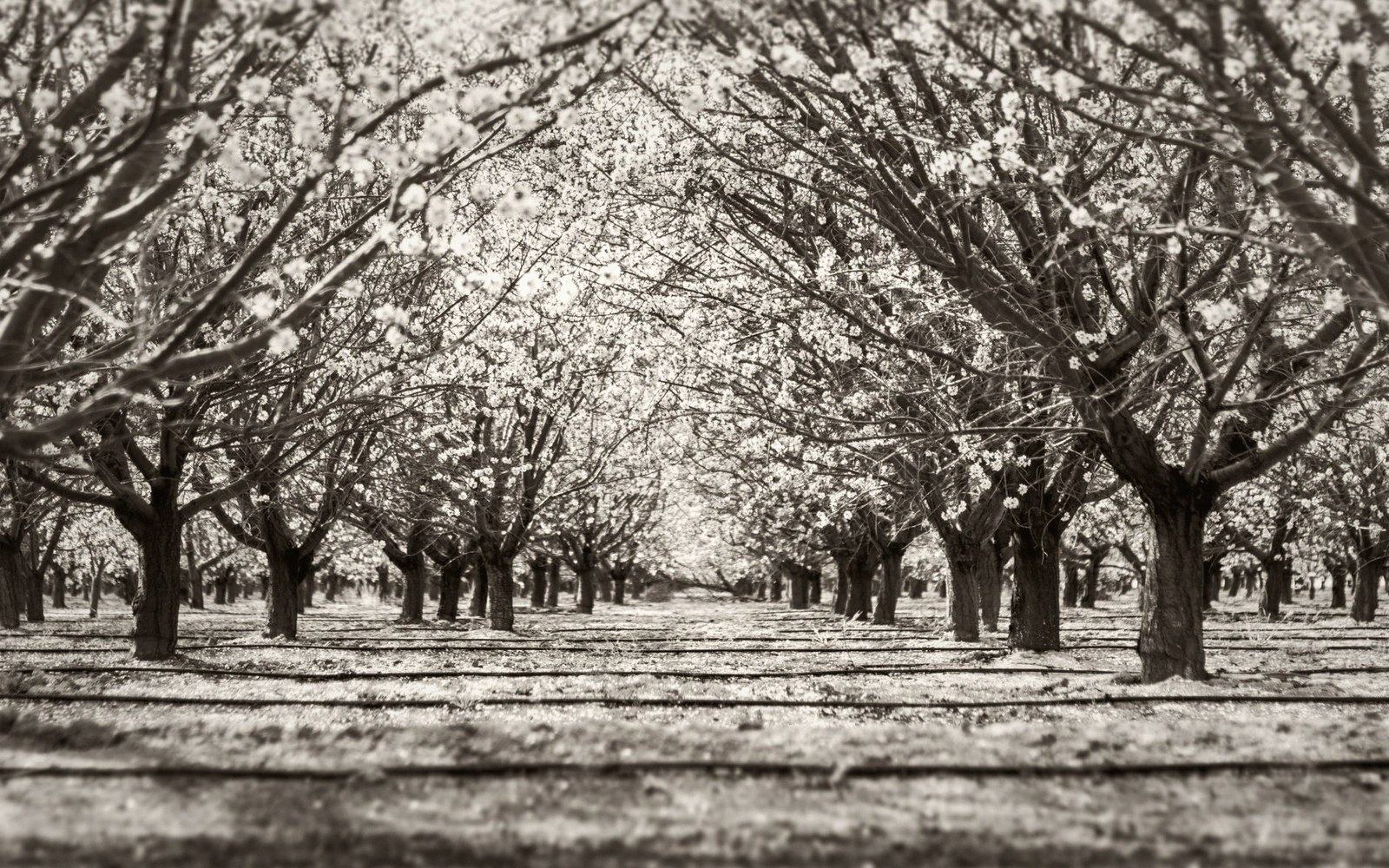
The hive count is usually negotiated with a beekeeper rather than calculated from first principles. Orchardists specify when they want delivery — typically at around five to ten percent bloom, early enough to be ready for peak open flower but not so early that bees establish foraging routes off-site before the apple flowers are fully available. Arrival too late is the more common error; by full bloom the window is already narrowing.
After collection, the beekeeper moves the colonies on, often to the next orchard in sequence as varieties open on a slightly different calendar across the region. The hive is not part of the orchard. It visits, does its work, and leaves — which is exactly why its placement, timing and numbers have to be right before the first flower opens rather than adjusted once the crop is already being set.
- ~12 °C
- approximate lower threshold for useful bee flight activity
- 5–10 % bloom
- typical target stage for hive delivery
- A few hundred metres
- effective working radius under dense, good-weather bloom
- Multiple entry points
- preferred over a single-headland concentration in large blocks
Bees forage surprisingly close to home when the bloom is dense.
Filed under Bloom · boydorchards.com