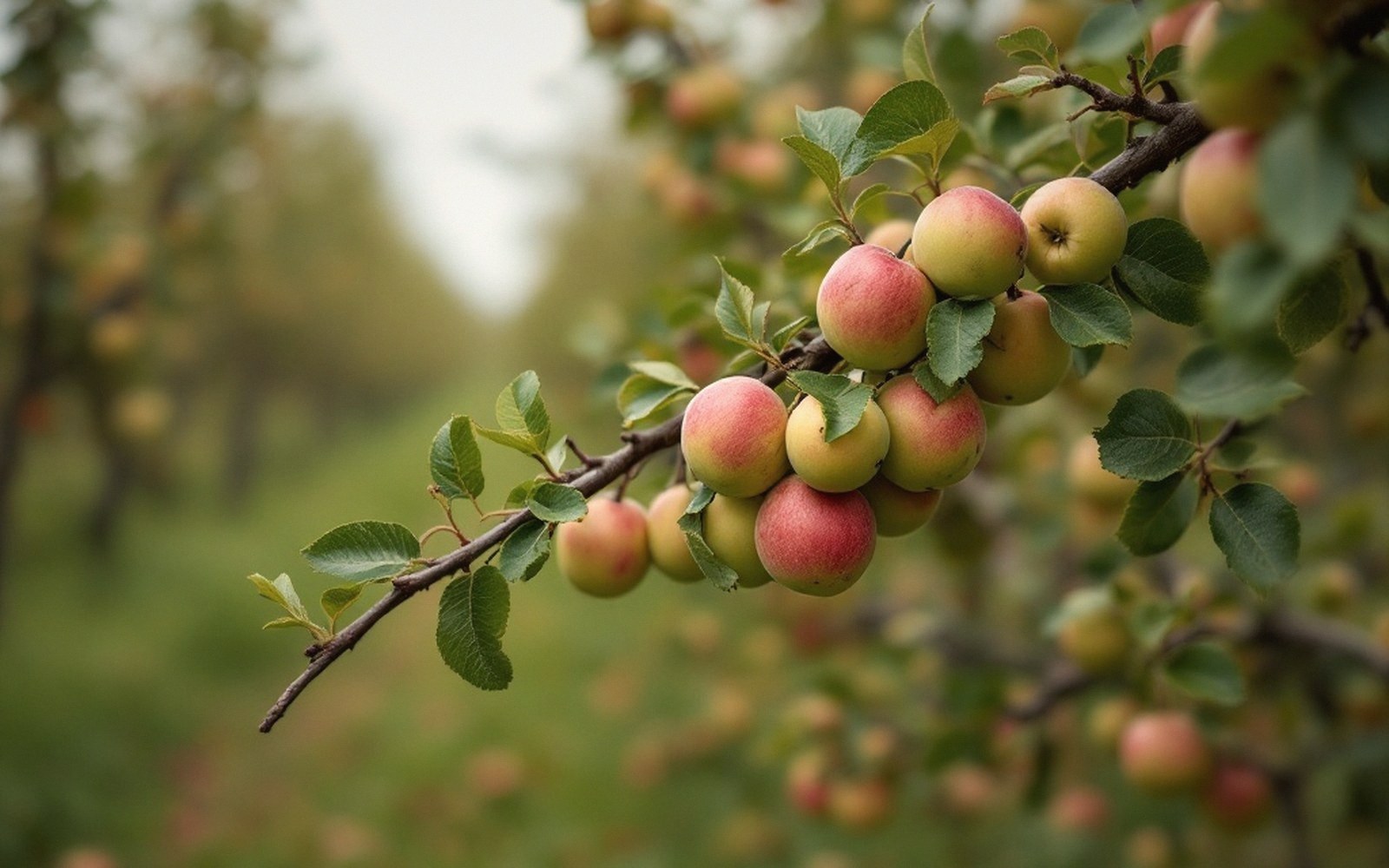
A heavy year followed by nothing, and the habit that causes it.
The habit, and why it forms
A tree that sets a full crop in one season pours most of its energy into maturing that fruit rather than forming flower buds for the following year. The result is two-year oscillation: heavy crop, bare crop, heavy crop — and once the cycle locks in, it is surprisingly hard to break.
The mechanism is hormonal. Developing seeds produce gibberellins that suppress the initiation of flower buds in the shoot tips nearby. A heavily cropped tree in one summer is simultaneously forming buds for the next; high seed load means those buds form as vegetative shoots rather than flower clusters. The subsequent year arrives with almost no blossom to work with, so the tree carries little or no fruit — but without developing seeds to suppress it, bud initiation runs freely, and the following spring is overwhelmingly floral. The cycle restores itself.
Some varieties are far more prone to this than others. 'Bramley's Seedling' is the textbook case: left unmanaged it swings hard between feast and famine. Spur-type varieties that set heavily on every spur are equally vulnerable. The underlying tendency is genetic, but the trigger is always the same — a crop so large the tree cannot do two things at once.
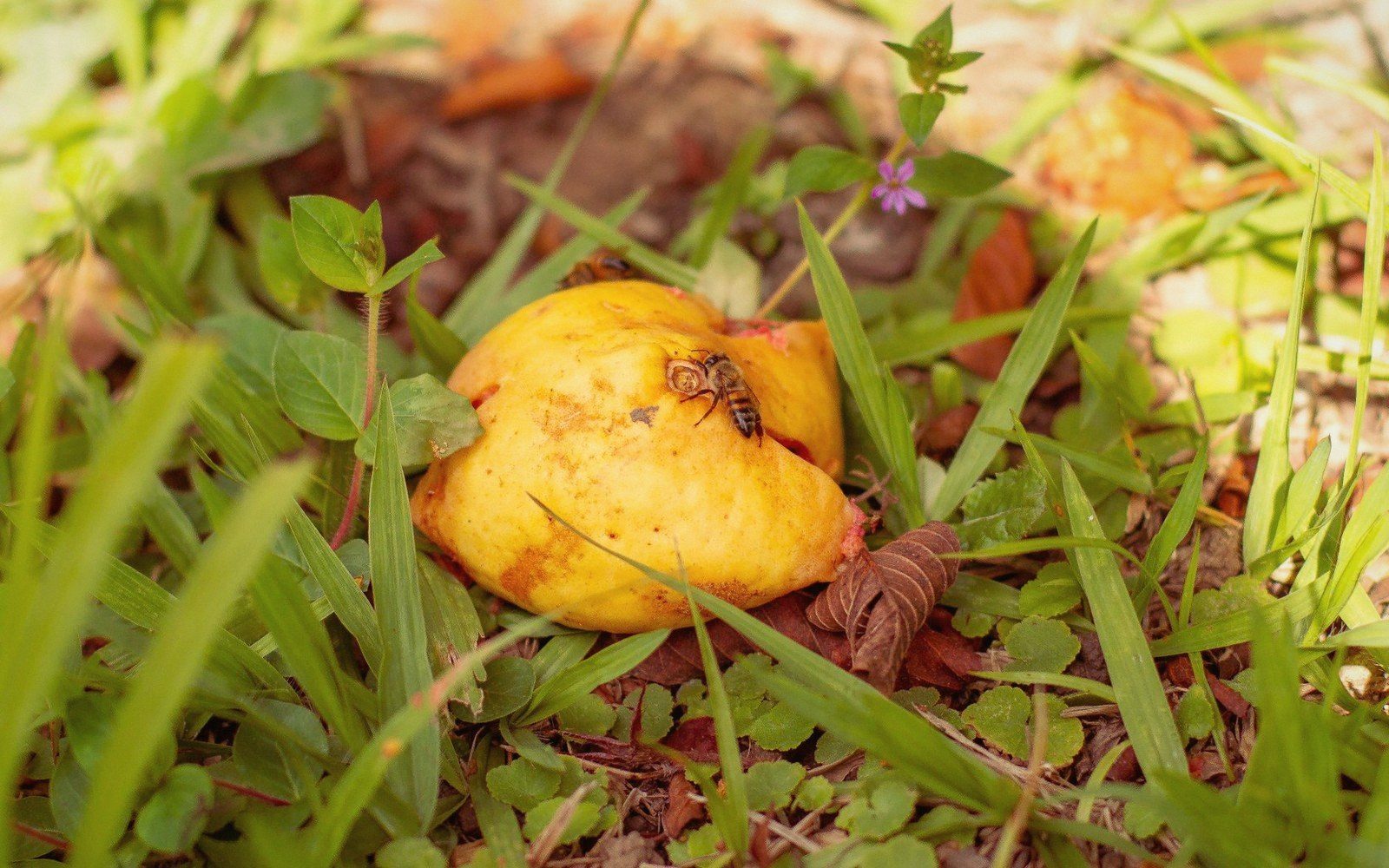
The practical fix is removing fruit before the bud-initiation window closes. That window sits in the weeks immediately after petal fall: thin early, thin hard, and the seed load drops below the suppression threshold in time for buds to commit as floral. Taking fruit off on purpose is not optional on a biennial variety — it is the only mechanism that interrupts the cycle. June drop, the tree's own limited self-thinning, comes too late and removes too little to break the habit reliably.
A grower who misses that window in a heavy year should expect to give the following season back to the tree. The arithmetic is unforgiving: half a good crop every year beats a full crop every other year, in yield, in cash flow, and in the management of every downstream step from storage booking to pruning time.
- Gibberellins
- hormones produced by developing seeds that suppress nearby flower-bud initiation
- Bud initiation window
- the critical weeks after petal fall when buds decide whether to be vegetative or floral
- Spur-type varieties
- compact fruit-bearing spurs that set densely and amplify the biennial tendency
- Biennial bearing
- two-year crop oscillation; heavy year followed by near-absent year
Spur-type varieties that set heavily on every spur are equally vulnerable.
- The bud-initiation window opens and closes in early summer
- thinning after it closes cannot break the cycle for that year
- June drop arrives after this window; it reduces overload but does not reliably reset bud type
- Early, hard thinning is the only practical intervention
Filed under Thinning · boydorchards.com