The tree does some of the work — just not enough
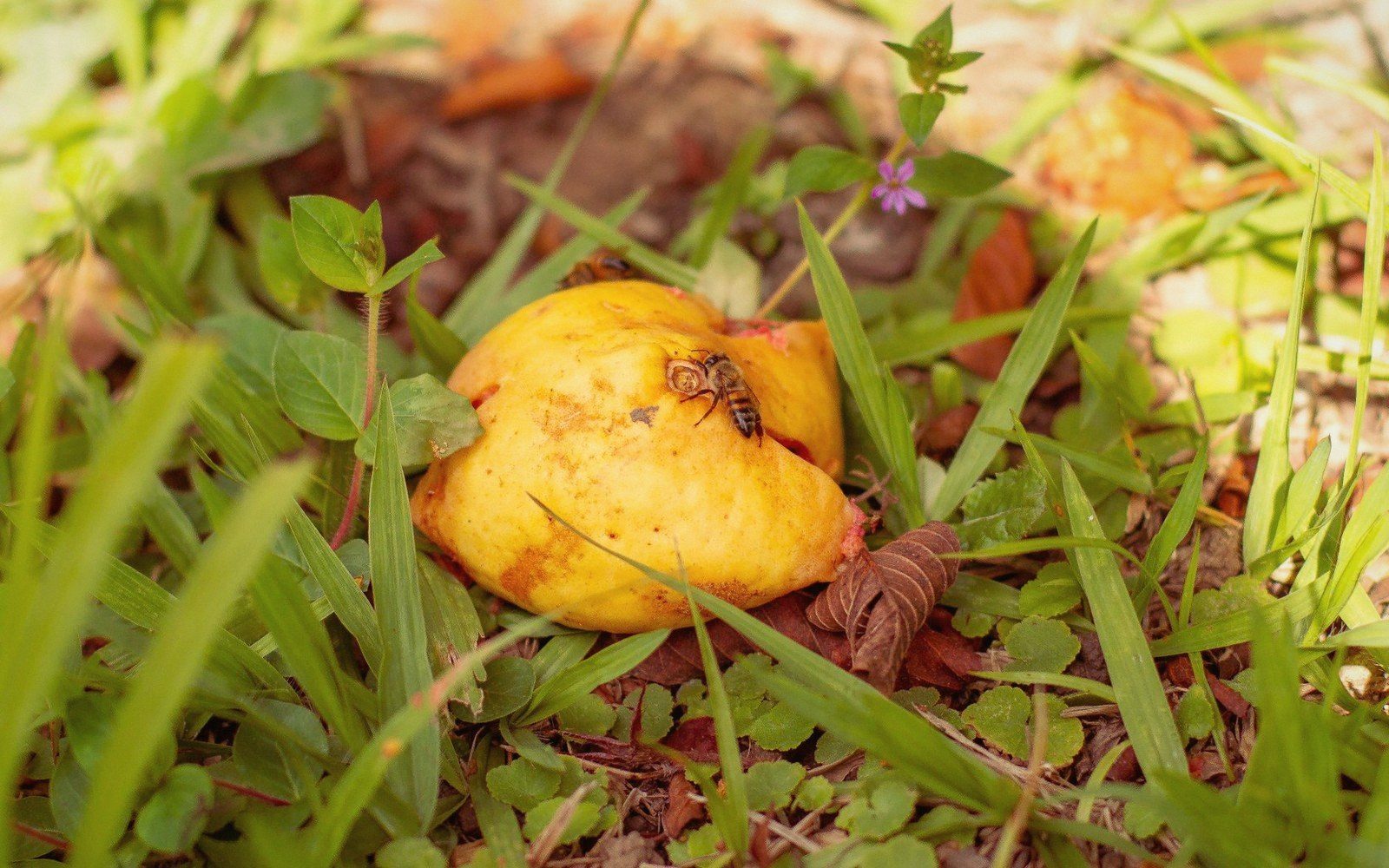
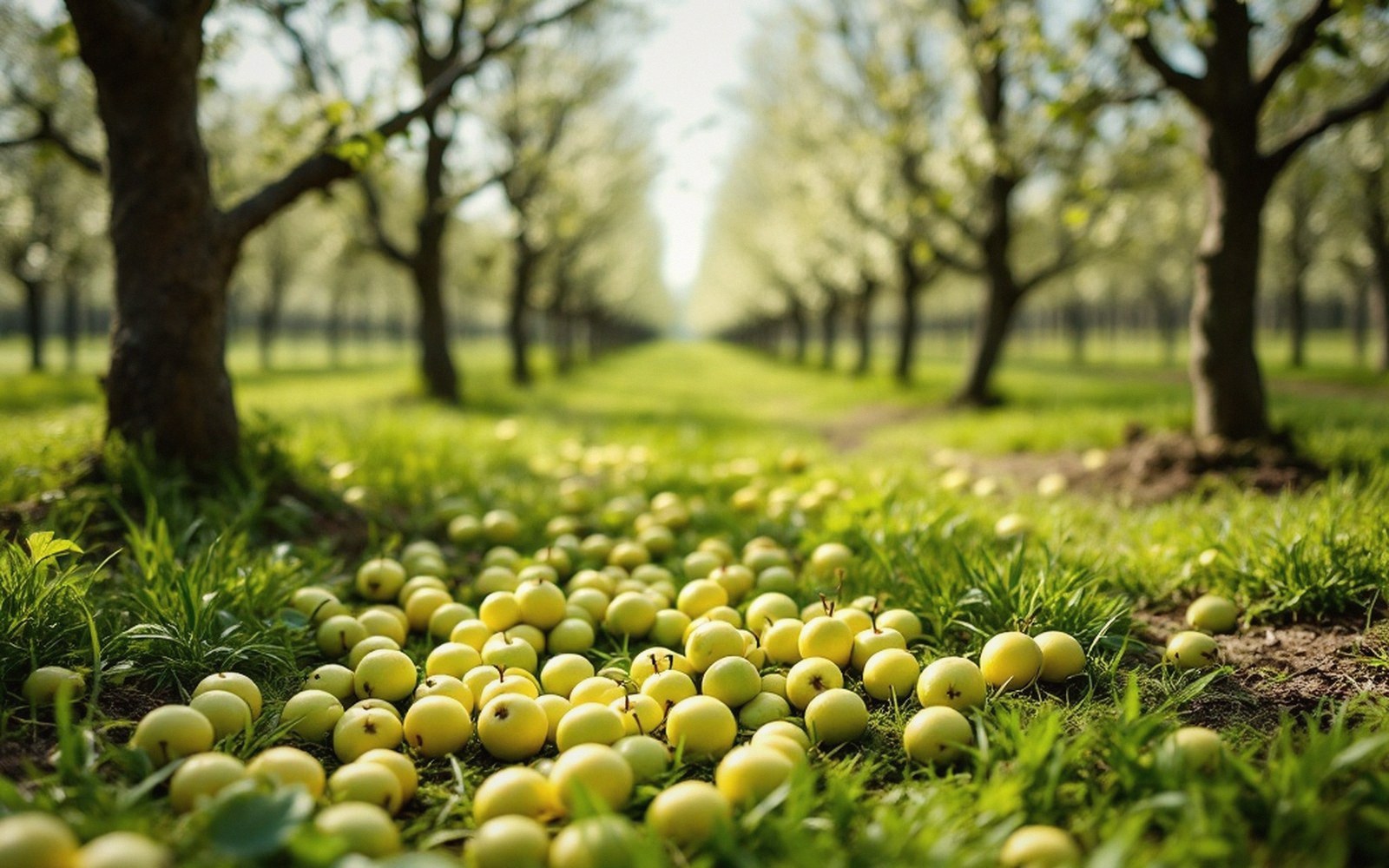
A young apple will set more fruit than it can carry to size. The tree knows this, more or less. Sometime in early summer — the timing shifts with variety and climate, but June is the name that stuck — a wave of natural abscission moves through the fruitlets. The tree withdraws the hormone signal that had been keeping them attached, and the smallest, least-viable fruitlets fall. Walk under an unmanaged tree in June and the ground is soft with them.
The mechanism is real and useful. The tree is prioritising, directing carbohydrates toward the fruitlets with the best chance, dropping the ones fed by weak spurs or left unfertilised during the few hours when pollination was possible. In a light year it can be surprisingly decisive: you watch the crop consolidate over a fortnight and the canopy thins itself into something that looks almost managed.
Almost. The problem is that the tree's threshold for "enough" is far below the grower's. A tree will drop fruitlets until competition among the survivors drops to a level the tree can sustain — which still means a high number of undersized fruit, and almost certainly a heavy enough crop load to strip the spurs of the reserves they need to initiate flower buds for next year. The June drop is a correction, not a solution.
What follows it, therefore, is the intervention. Hand-thinning or chemical thinning — or both in sequence — removes the surplus the tree left behind. The target is a spacing between remaining fruitlets wide enough that each one can reach market size, and a total crop load light enough that the tree can simultaneously size this year's fruit and set buds for next year's. Miss that second part and biennial bearing takes hold: a heavy year followed by a near-blank one, the pattern locking in and becoming progressively harder to break.
Timing the intervention is what makes June drop relevant rather than merely interesting. The natural abscission wave is a signal. Once it settles — once the ground stops receiving fruit and the survivors have had a week or two to establish — the grower has a clearer picture of what remains and where it is. Thinning into the June drop, before it finishes, means working blind; thinning too long after it means the fruit has already used cell-division time that cannot be recovered. The window is narrow.
The tree's own edit, in other words, sets the table. The grower clears it.
- June drop
- the natural wave of fruitlet abscission in early summer; tree withdraws hormone signal from the weakest fruits
- Abscission
- the plant process of deliberately shedding an organ; in this case, dropping unfertilised or low-priority fruitlets
- Crop load
- total number of fruit carried on a tree; the key variable linking fruit size, return bloom and biennial bearing
The problem is that the tree's threshold for "enough" is far below the grower's.
Filed under Thinning · boydorchards.com