Timing, cost and precision — the trade in plain terms.
The trade-off in plain terms
The case for hand-thinning is precision. A trained picker moves down the row knowing exactly what to leave: the king bloom fruit, correctly spaced, on a spur that can carry it. Every cluster gets individual attention. The result is consistent fruit size, minimal doubles, and no collateral damage to the canopy. The case against it is cost — hand-thinning is the single most expensive operation in the establishment years of a high-density planting, and on a large block it can absorb more labour than harvest.
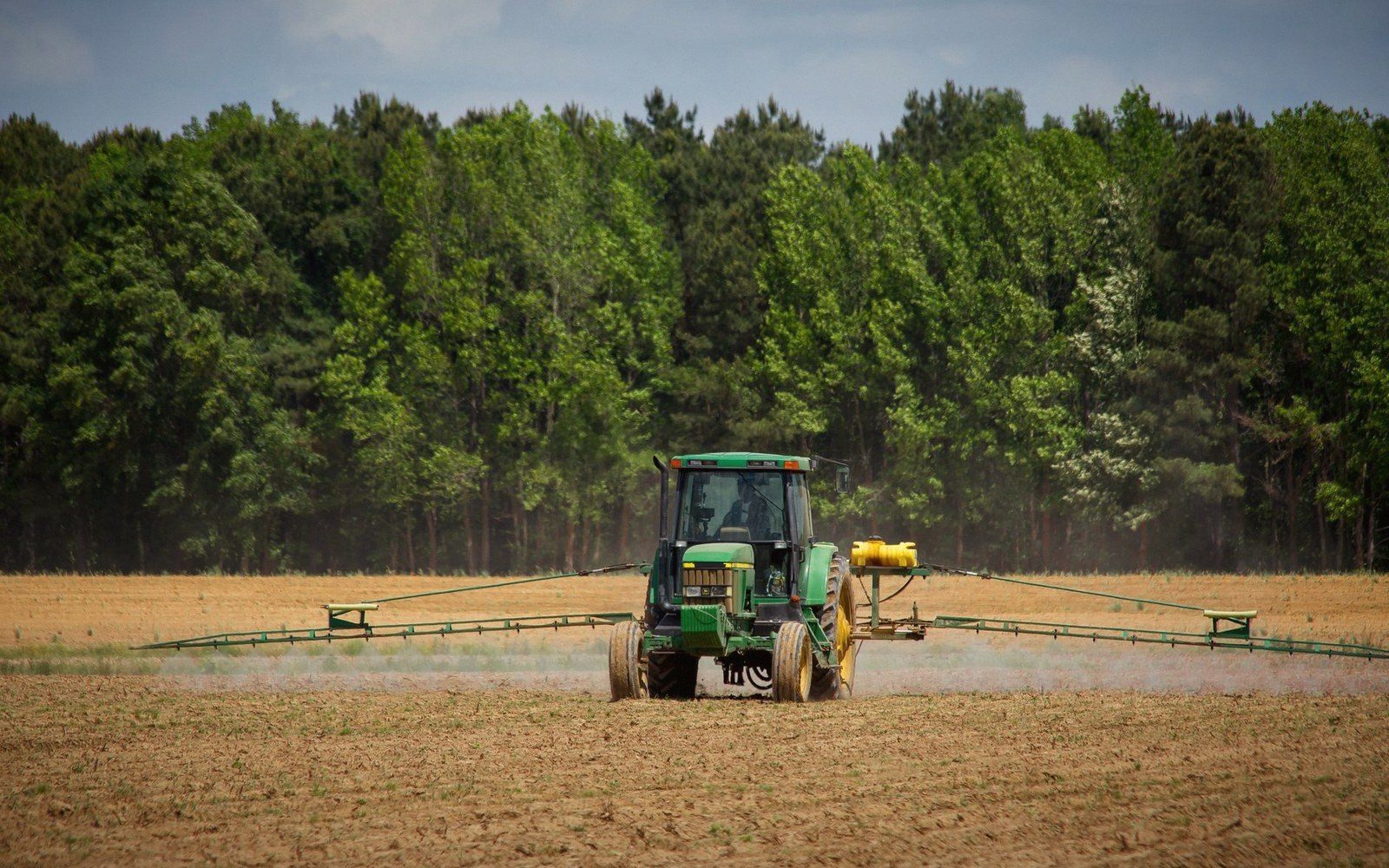
Chemical thinning shifts the arithmetic. Applied at petal fall or at the fruitlet stage — timing varies by product and by variety — a chemical thinner causes a proportion of fruitlets to abscise naturally within two to three weeks. The grower is not pulling fruit; the tree is dropping it on a managed schedule. Speed is the gain. A single pass with a sprayer treats acreage that would take a crew days to walk.
The loss is control. Chemical thinning acts statistically, not selectively. It will remove fruit from a cluster, but not always the right one. Response varies with temperature at application: a cool day slows uptake; a warm one can push thinning harder than intended, leaving a crop too light to be worth harvesting. Varieties differ substantially in sensitivity, and what works on Gala can overthin Fuji. There is no correcting an aggressive chemical application once the fruitlets are gone.
In practice, most commercial orchards use both. A chemical application at the right window reduces fruit load to a manageable level; a follow-up hand crew finishes the detail work — removing doubles, correcting spacing, pulling anything the chemical missed or left in the wrong position. The chemical pass cuts the hours the crew needs; the crew corrects what the chemical cannot target.
What drives the balance is the gap between the two costs: chemical inputs and machine time on one side, wages per hour on the other. When taking fruit off on purpose is understood as an investment in fruit size and in the return bloom that determines next year's crop, neither method alone is adequate — the chemical sets the floor and the hands finish the job.
- Hand thinning
- precise, selective, expensive in labour
- Chemical thinning
- fast, coverage-wide, imprecise in outcome
- Temperature sensitivity
- warm conditions increase abscision risk beyond target levels
- Variety response
- not uniform; calibration by variety is essential
It will remove fruit from a cluster, but not always the right one.
Filed under Thinning · boydorchards.com